
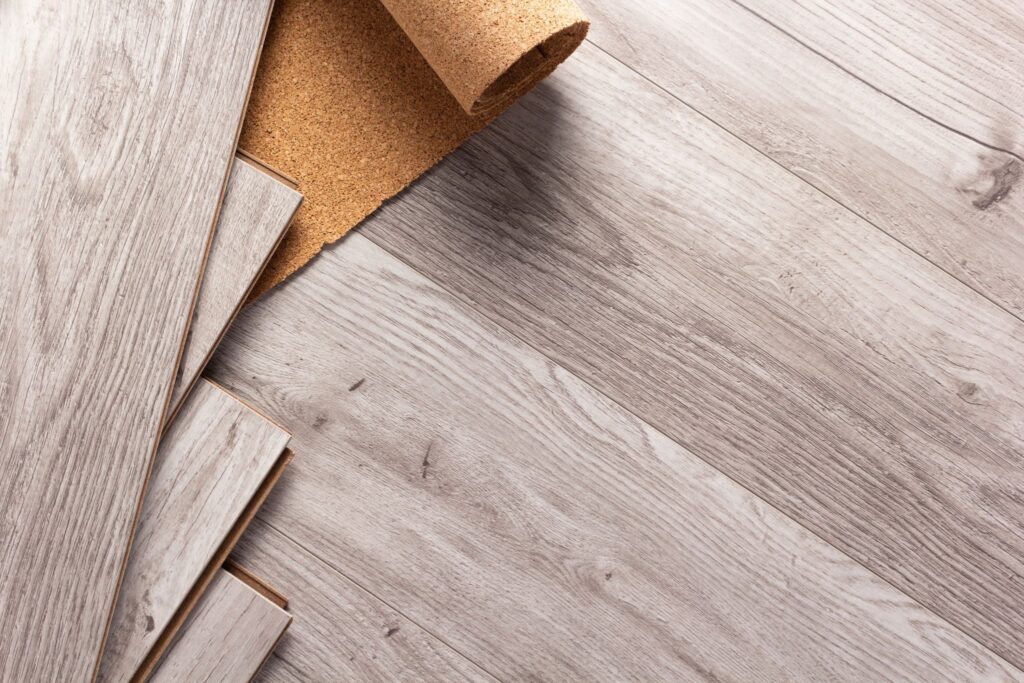
Renovations are an exciting chance to mold your home into the version that works best for you, and July is a popular time to remodel your house. Start from the ground up when you are planning your remodel; this means choosing which flooring will best serve your new space. Picking between LVT and hardwood flooring in Virginia is a common cause of indecision. Let’s make it simple!
What is LVT?
One of the most common questions from homeowners is what is LVT? LVT stands for luxury vinyl tile. It is a modern alternative to hardwood flooring that is waterproof, durable, and affordable. It comes in many patterns designed to mimic natural materials like wood and stone. It is made in a layered style, with a urethane topcoat to repel water and resist scratching, and a vinyl core that keeps it both strong and flexible.
Pros of LVT
Luxury vinyl tile has several distinct benefits that set it apart from traditional hardwood flooring. LVT is very durable and extremely scratch-resistant. Traditional wood flooring seems to scuff if you look at it the wrong way and needs to be refinished every decade or so to maintain a glossy shine. Unlike hardwood floors, LVT is waterproof, meaning that spilled drinks and pet accidents are easily wiped up and have no impact on the floor.
Luxury vinyl tile is also a more affordable option than hardwood or stone, making it friendly for tight budgets. LVT is softer than other options, with a satiny-smooth feel underfoot. Last but not least, it is extremely easy to install. The planks are easy to install, with three different installation options that can be adjusted to your flooring needs! They can either fit together via grooves in the sides, be glued down, or both. They are sold by the carton and come in many shades.
Cons of LVT
Just like everything in life, LVT does have a few cons to consider when choosing which flooring option is right for you. The lifespan of hardwood flooring is highly debated, but it is generally anywhere from 30 to 100 years because it can be refinished multiple times. LVT lasts for about10-25 years and is not necessarily beneficial to resale value, as many buyers prefer natural wood. It is also softer than wood and tile, and heavy furniture may leave dents over time.
What About Hardwood?
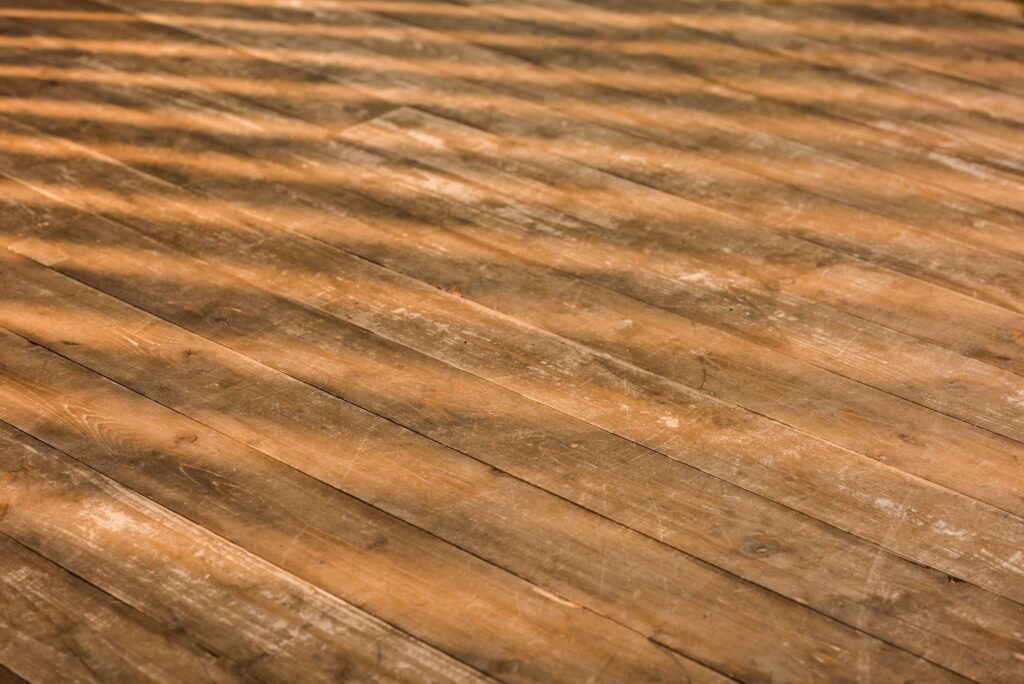
Hardwood flooring is deeply traditional, with many people swearing by it. The main pro of hardwood is that it lasts a very long time, up to 100 years with proper maintenance. It can be refinished multiple times in its life span, leaving it looking shiny and new again. Hardwood adds value to homes because of its aesthetic appeal.
The downsides are that it is easy to damage, especially with water, and refinishing is very expensive. This damage is often not fixable and requires, at a minimum, replacing the boards, and can even require replacing the sub-floor.
Why Not Just Traditional Tile?
LVT and tile are both waterproof and highly durable, but they have some key differences. LVT does not have grout joints that collect dirt and stains and need regular maintenance. Stone and tile are both quite cold to the touch, creating a need for rugs to keep the unpleasant cold chill of the floor at bay. LVT is much closer to the warmth of natural wood flooring, and does not require a barrier in the cooler months to be barefoot on. It also tends to be cheaper than tile, with easier installation and removal.
Specific Needs
As with most renovations, your flooring needs to fit your specific needs. The first question to be asked is: what room are you re-flooring? LVT is wonderful for bathrooms, kitchens, and basements in particular, due to its waterproof and easy-to-clean properties. Living rooms and bedrooms are often hardwood, but LVT is still a good option due to its near-unscratchable surface and softness underfoot. Rec rooms are generally unfriendly to hardwood, making LVT and traditional tile better options.
Budget
When planning your remodel or renovation, it is important to know what your budget is. Most people won’t work for free, and depending on the size of the renovation, materials can get expensive fast. LVT is a great option for keeping the budget low for small budgets, but can also be used to save money on flooring costs to redirect funds to a different part of the project! For example, if you are remodeling your kitchen, going with LVT will allow you to afford fancier appliances or light fixtures to brighten your space!
Finalizing Your Flooring
Picking the right flooring is the foundation for a good remodel. If you are remodeling this summer and trying to decide between LVT vs hardwood flooring in your Virginia home, reach out to Gino’s Flooring today for a consultation!